- Archaeology
Excavations along the Rappahannock River in Virginia have revealed the likely spot of Indigenous villages once described by John Smith.
0 Comments Join the conversationWhen you purchase through links on our site, we may earn an affiliate commission. Here’s how it works.
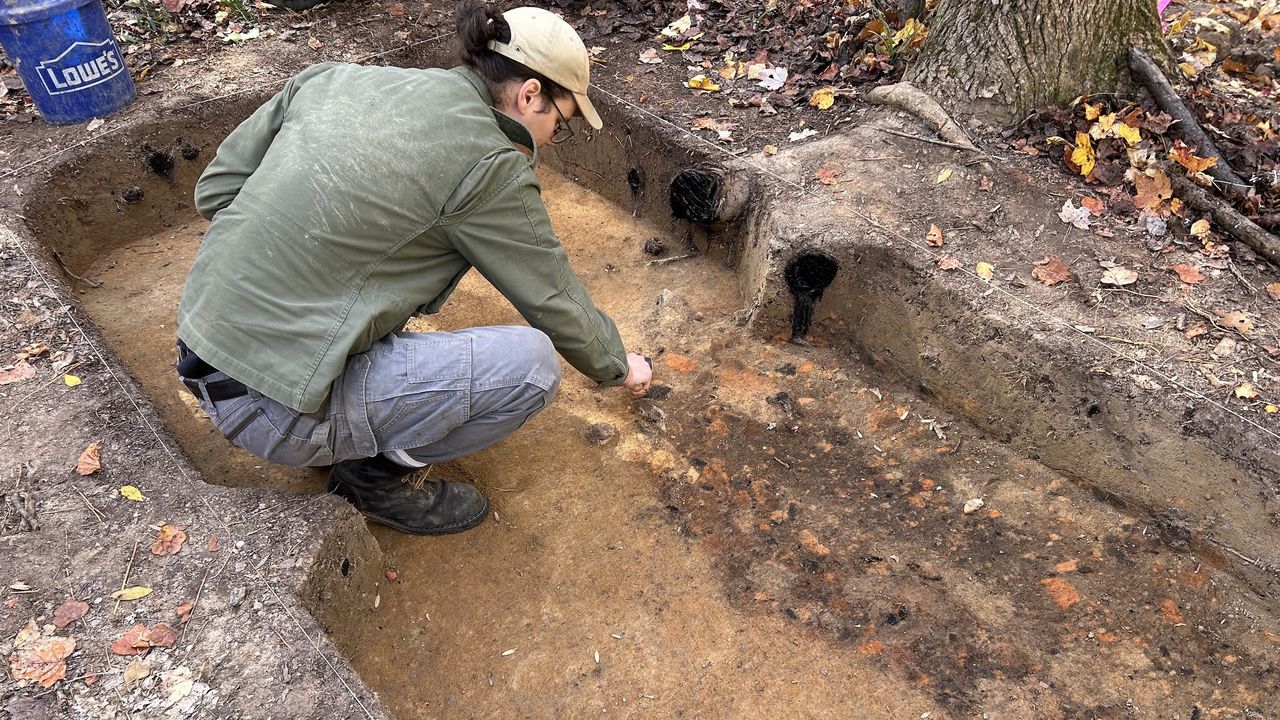
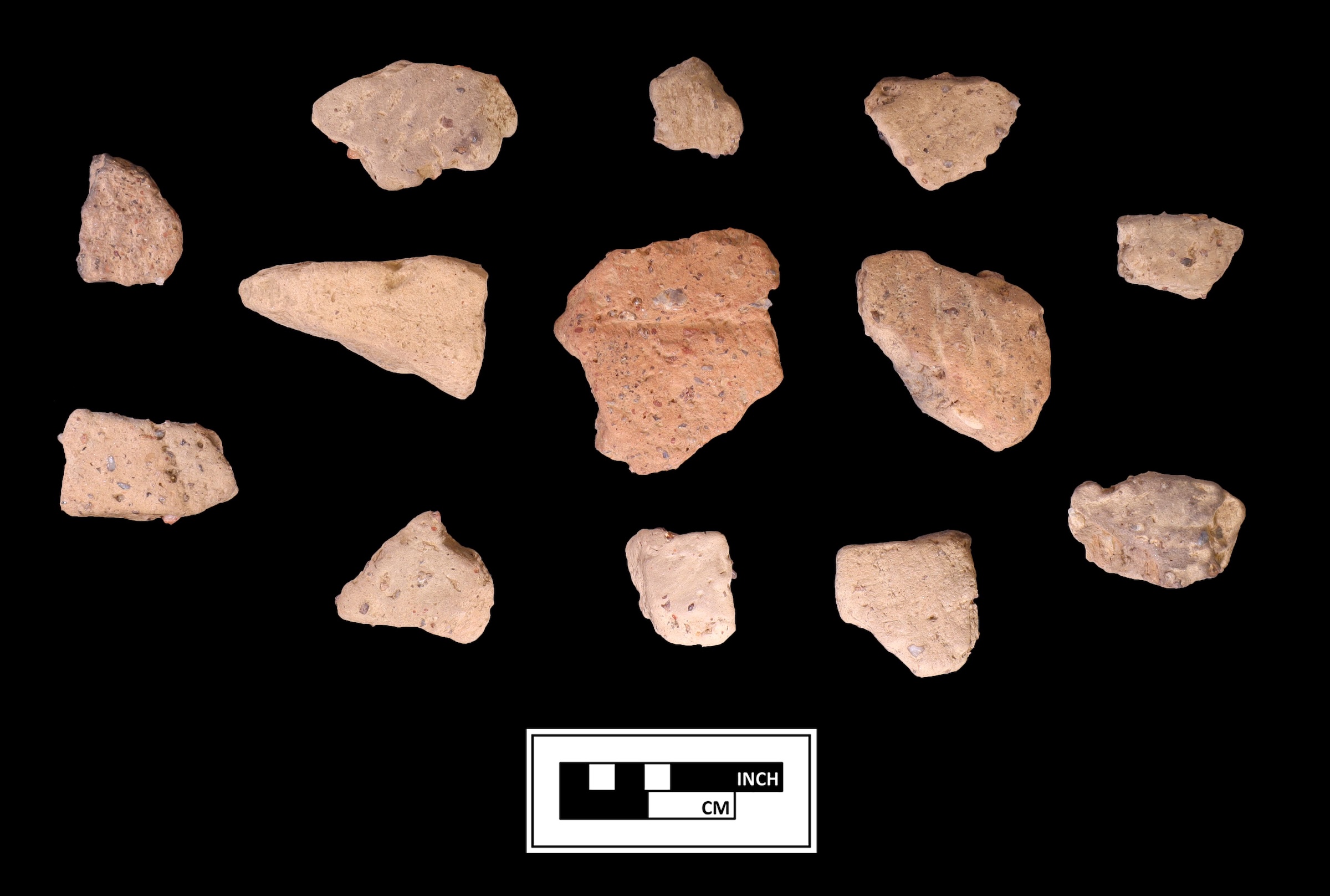
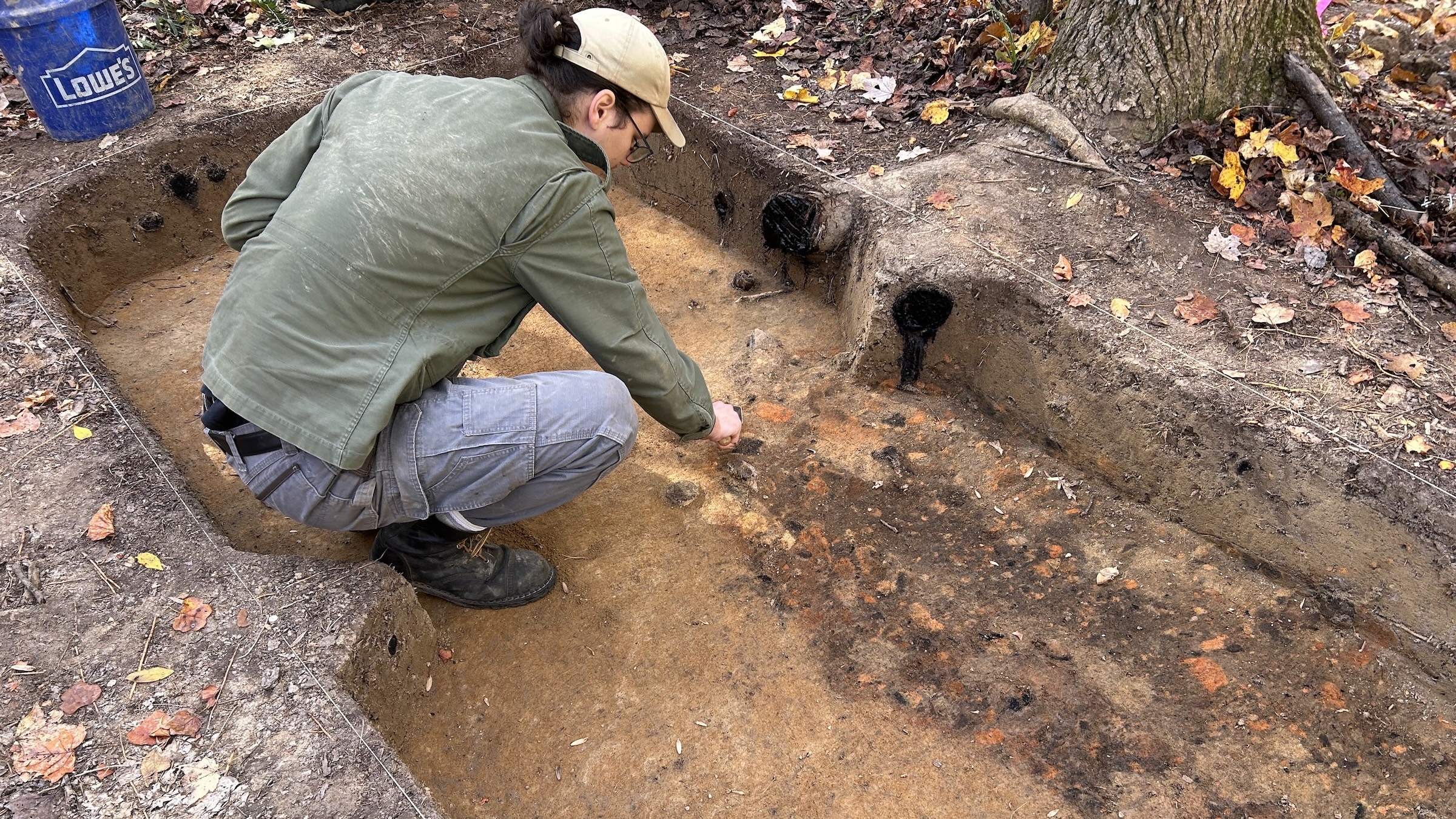 Archeologists have unearthed thousands of Indigenous American artifacts at two sites in the Fones Cliffs region of Virginia's Rappahannock River.
(Image credit: Julia King)
Archeologists have unearthed thousands of Indigenous American artifacts at two sites in the Fones Cliffs region of Virginia's Rappahannock River.
(Image credit: Julia King)
More than 400 years ago, the English colonist and explorer John Smith wrote in his journal that there were Indigenous villages along a major river in what is now Virginia. But the reported sites of the villages were later forgotten, and their existence was disputed.
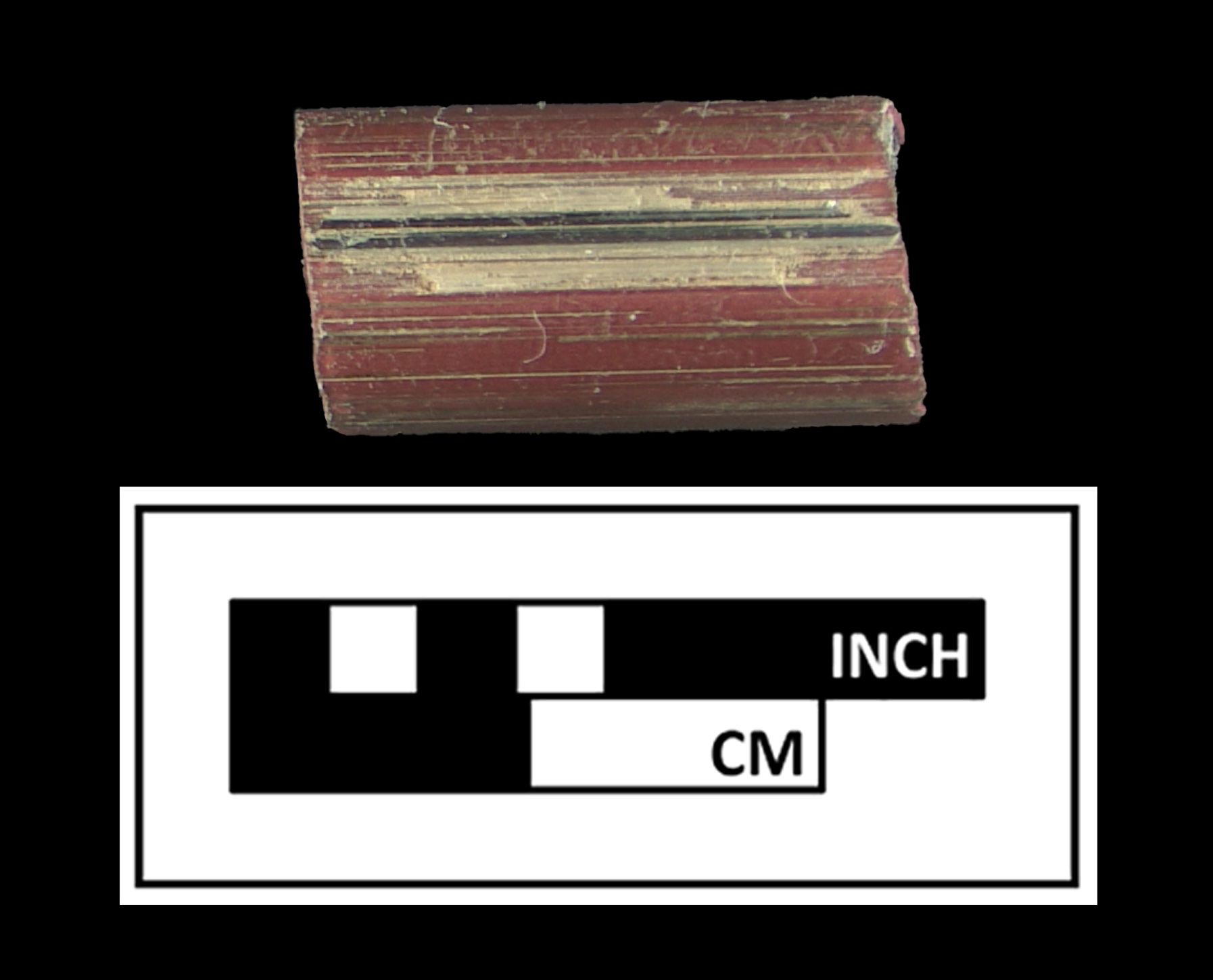
Now, archaeologists excavating along the Rappahannock River have discovered thousands of artifacts — including beads, pieces of pottery, stone tools and pipes for tobacco — that they think come from the villages described by Smith centuries ago.
You may like-
 Rare wampum beads discovered at 17th-century colony in Newfoundland
-
 The Bering Land Bridge has been submerged since the last ice age. Will scientists ever study it?
-
 Who discovered America?
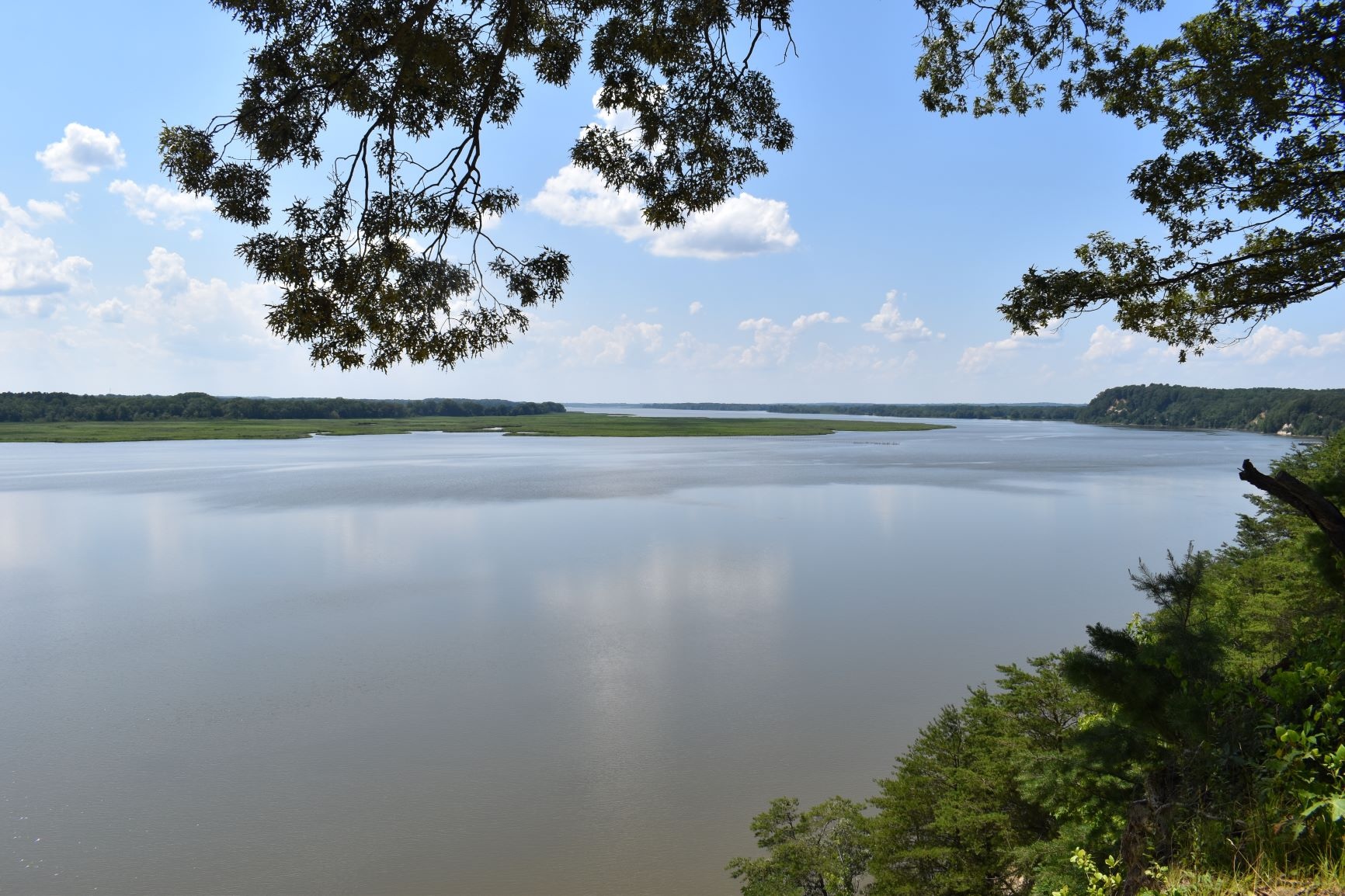
The key part of the river is lined with high cliffs that would have allowed only limited access to the village above, King said. But the height of the village there would have given it views up and down the entire river valley, while the soil at the site would have been good for growing corn, King told Live Science in an email.
The river is named after the Rappahannock tribe, one of 11 Indigenous American groups recognized in Virginia. Many members of the tribe still live nearby and hope to reclaim and protect ancestral lands along the river, King said.
Rappahannock histories
Smith had been a mercenary soldier and adventurer in Europe before he was elected president of the council at the Jamestown colony in Virginia in 1608. (Jamestown was founded a year earlier and is recognized as the first permanent English settlement in North America.)
Smith was a self-aggrandizing figure and left a "larger-than-life" legend, including his purported love story with Pocahontas. His letters and witness accounts indicate that Smith enforced military-style discipline at Jamestown, where he famously declared "he that will not work shall not eat" — a policy credited with saving the colony from starvation in its earliest years, although over 400 Jamestown colonists starved to death after John Smith returned to England in 1609.
Sign up for the Live Science daily newsletter nowContact me with news and offers from other Future brandsReceive email from us on behalf of our trusted partners or sponsorsBy submitting your information you agree to the Terms & Conditions and Privacy Policy and are aged 16 or over.King said Smith was a keen explorer who had spent several weeks mapping the Rappahannock River and wrote about Indigenous villages in what became the Fones Cliffs area.
The new finds also correspond with the oral histories of the Rappahannock tribe, King said.
"Oral history gets a bad rap in some quarters because memories are not perfect, but documents aren't either," she said. "The strategy is to read both with and against the grain of both sources and to question everything."
You may like-
Rare wampum beads discovered at 17th-century colony in Newfoundland
-
The Bering Land Bridge has been submerged since the last ice age. Will scientists ever study it?
-
Who discovered America?
King and her colleagues have researched the early history of the Rappahannock River region for several years. They located the sites of the Fones Cliffs settlements by cross-referencing historical documents with oral histories and by "walking the land," she said.
The researchers have now excavated roughly 11,000 Indigenous artifacts from two sites at Fones Cliffs, and some of the items may date back to the 1500s.
Land claims
In the 17th century, the Rappahannock tribe agreed to sell about 25,000 acres (10,100 hectares) of land to the Jamestown colony for the price of 30 blankets, beads and some tools, according to Smith's writings. However, land deals between Europeans and Indigenous Americans like this one are often debated by historians. For instance, it's unclear whether Indigenous Americans understood "selling land" the same as Europeans did at the time; they may have perceived these types of land deals as "sharing" or "leasing" an area, researchers previously told Live Science.
The newfound artifacts may have implications for the development of the area, King said.
"Rappahannock people understand the greater river valley as their homeland, regardless of who may own the land today," she said. And so the tribe is working with private partners and the U.S. Fish and Wildlife Service to purchase or otherwise protect key sites.
New York University historian Karen Ordahl Kupperman, an expert on Smith and early Jamestown who was not involved in the discoveries, told Live Science in an email that Smith had verified his map with the Chesapeake Algonquian people who had accompanied him on his expedition.
"Important finds such as this come from the collaborations archaeologists have established with modern Native people, such as the Rappahannocks," she said.
Related Stories—Jamestown colonists killed and ate the dogs of Indigenous Americans
—Indigenous Americans dragged, carried or floated 5-ton tree more than 100 miles to North America's largest city north of Mexico 900 years ago
—Pawnee Star Chart: A precontact elk-skin map used by Indigenous priests to tell an origin story
David Price, an independent historian and author of "Love and Hate in Jamestown: John Smith, Pocahontas, and the Start of a New Nation" (Vintage, 2005) who was not involved in the research, called the newly discovered artifacts "wonderful finds."
"They deepen our knowledge of the Rappahannock and their interactions with the English," he told Live Science, "especially during the fragile early years of English exploration — when Native communities and settlers were shaping each other's histories through trade, diplomacy and conflict."
Tom MetcalfeSocial Links NavigationLive Science ContributorTom Metcalfe is a freelance journalist and regular Live Science contributor who is based in London in the United Kingdom. Tom writes mainly about science, space, archaeology, the Earth and the oceans. He has also written for the BBC, NBC News, National Geographic, Scientific American, Air & Space, and many others.
You must confirm your public display name before commenting
Please logout and then login again, you will then be prompted to enter your display name.
Logout Read more Rare wampum beads discovered at 17th-century colony in Newfoundland
 The Bering Land Bridge has been submerged since the last ice age. Will scientists ever study it?
 Who discovered America?
 Ancient rock art along US-Mexico border persisted for more than 4,000 years — and it depicts Indigenous views of the universe
 30,000-year-old 'personal toolkit' found in the Czech Republic provides 'very rare' glimpse into the life of a Stone Age hunter-gatherer
 Ancient DNA reveals mysterious Indigenous lineage that lived in Argentina for nearly 8,500 years — but rarely interacted with others
Latest in Archaeology
Ancient DNA reveals mysterious Indigenous lineage that lived in Argentina for nearly 8,500 years — but rarely interacted with others
Latest in Archaeology
 The 'hobbits' may have died out when drought forced them to compete with modern humans, new research suggests
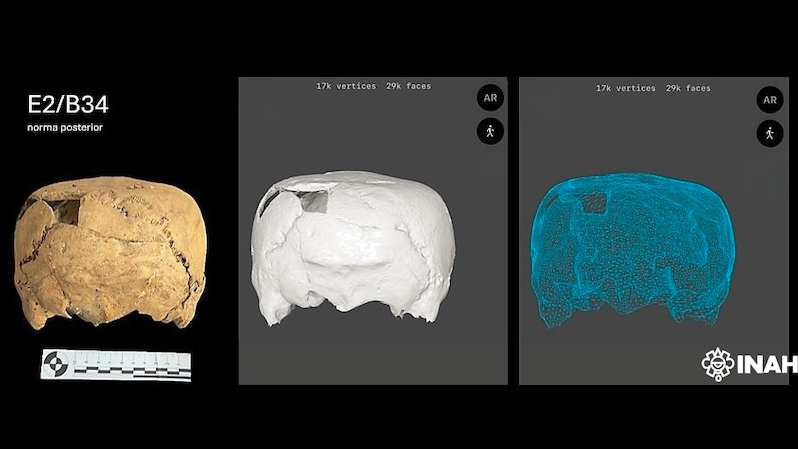 Unusual, 1,400-year-old cube-shaped human skull unearthed in Mexico
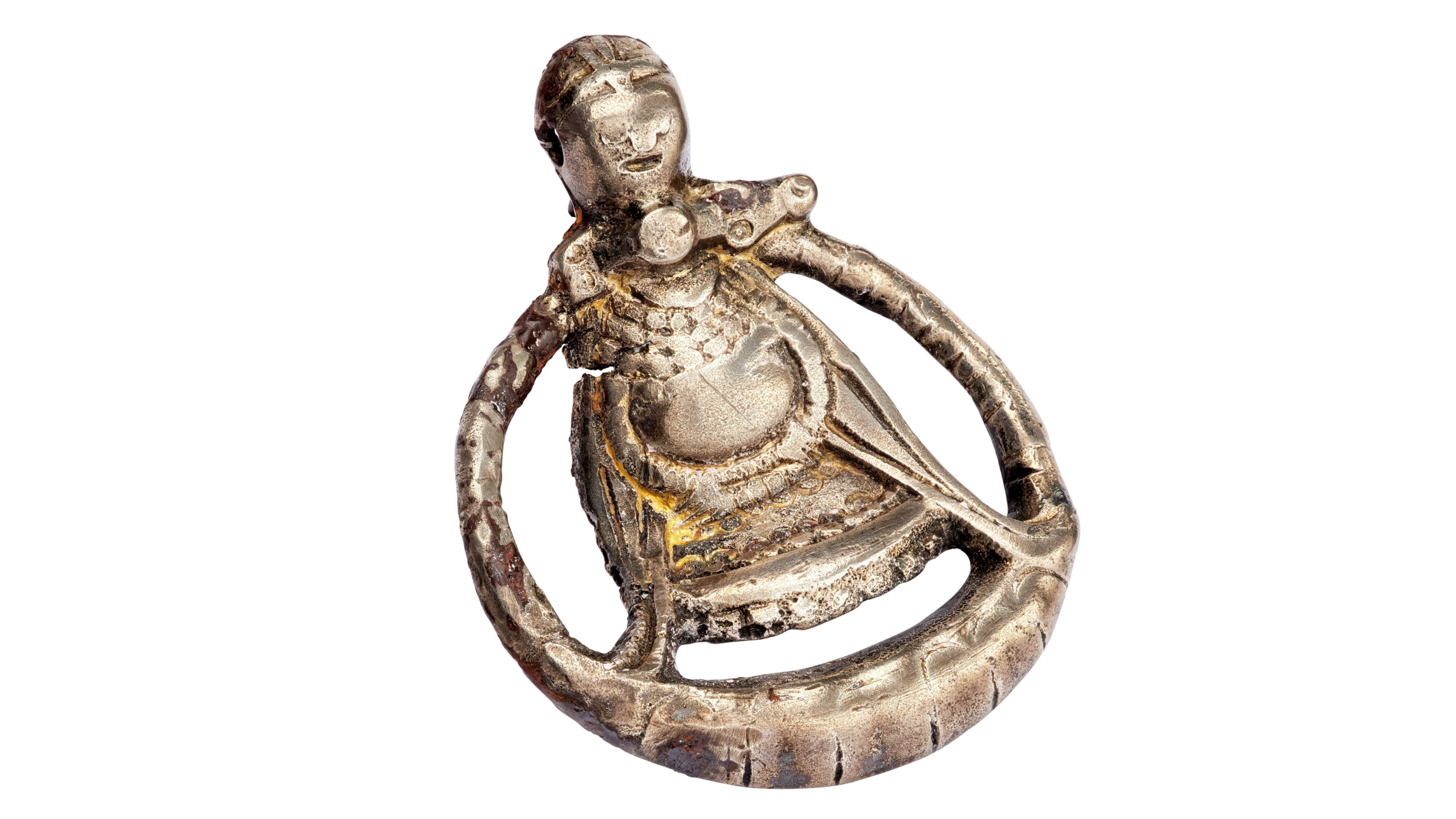 Ash Pendant: The only known depiction of a pregnant Viking woman
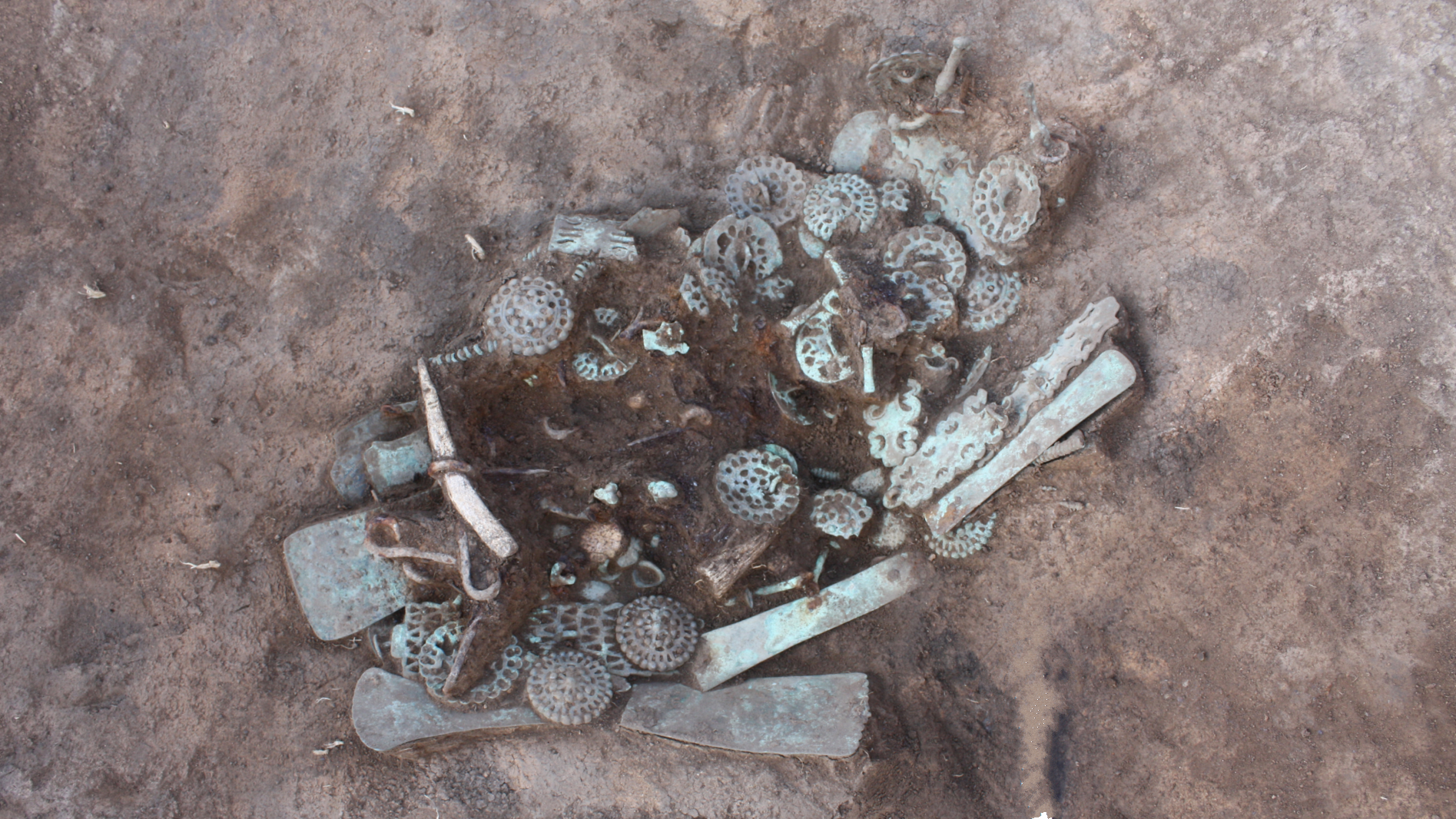 2,400-year-old 'sacrificial complex' uncovered in Russia is the richest site of its kind ever discovered
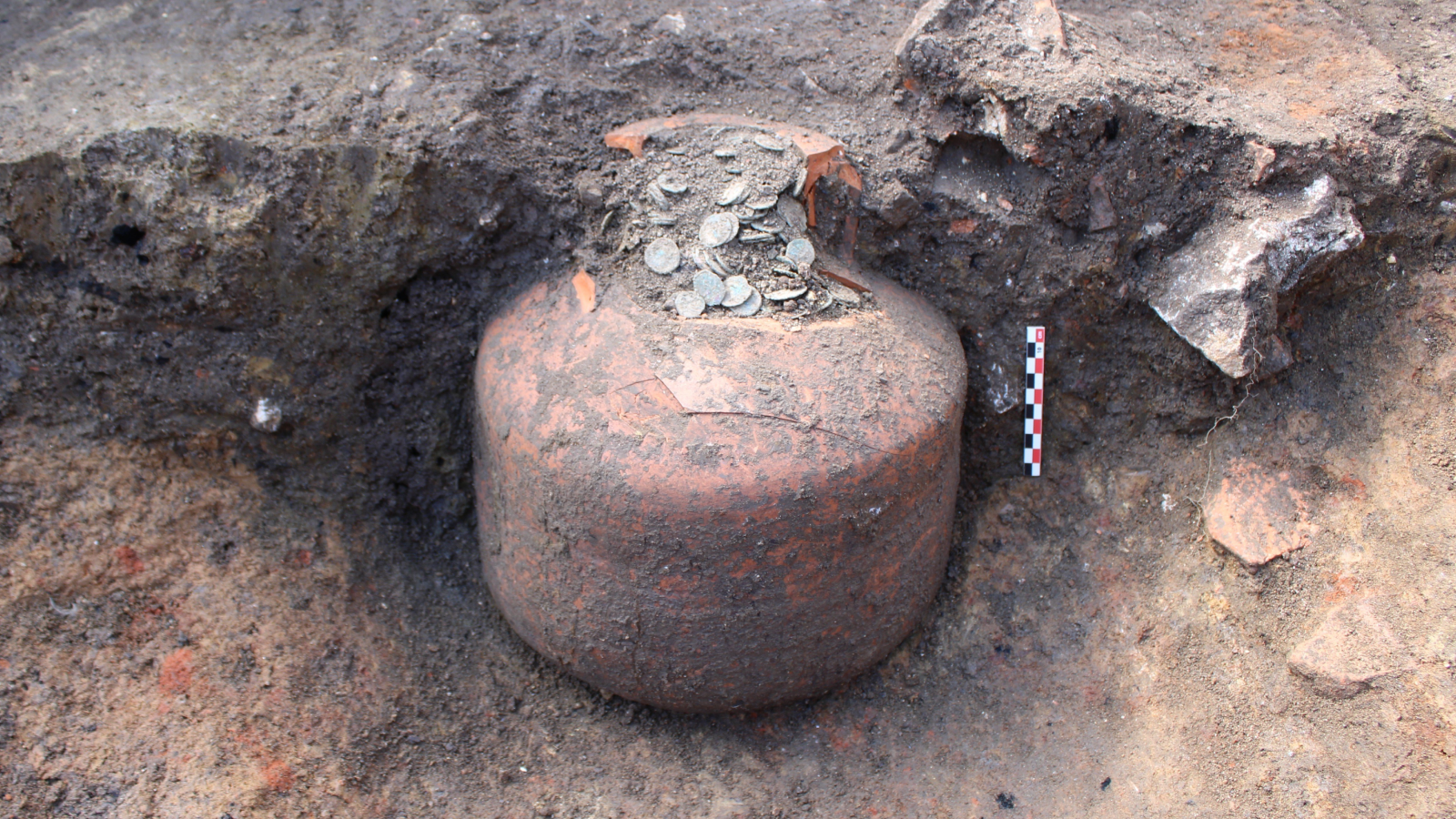 1,800-year-old 'piggy banks' full of Roman-era coins unearthed in French village
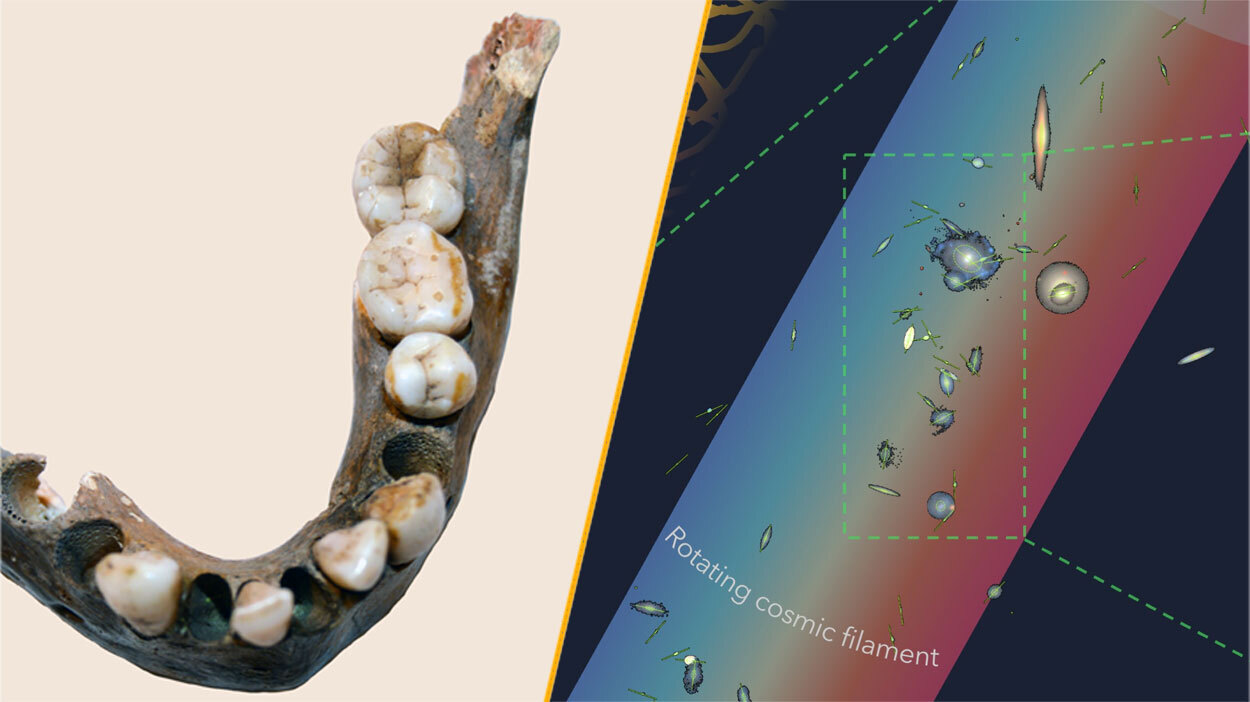 Science news this week: A human population isolated for 100,000 years, the biggest spinning structure in the universe, and a pit full of skulls
Latest in News
Science news this week: A human population isolated for 100,000 years, the biggest spinning structure in the universe, and a pit full of skulls
Latest in News
 Glue strong enough to tow a car made from used cooking oil
 Historic search for 'huge missing piece' of the universe turns up negative — but reveals new secrets of particle physics
 Today's biggest science news: Japan earthquake tsunami | Kilauea lava fountains | Northern Lights forecast
 New 3I/ATLAS images show the comet getting active ahead of close encounter with Earth
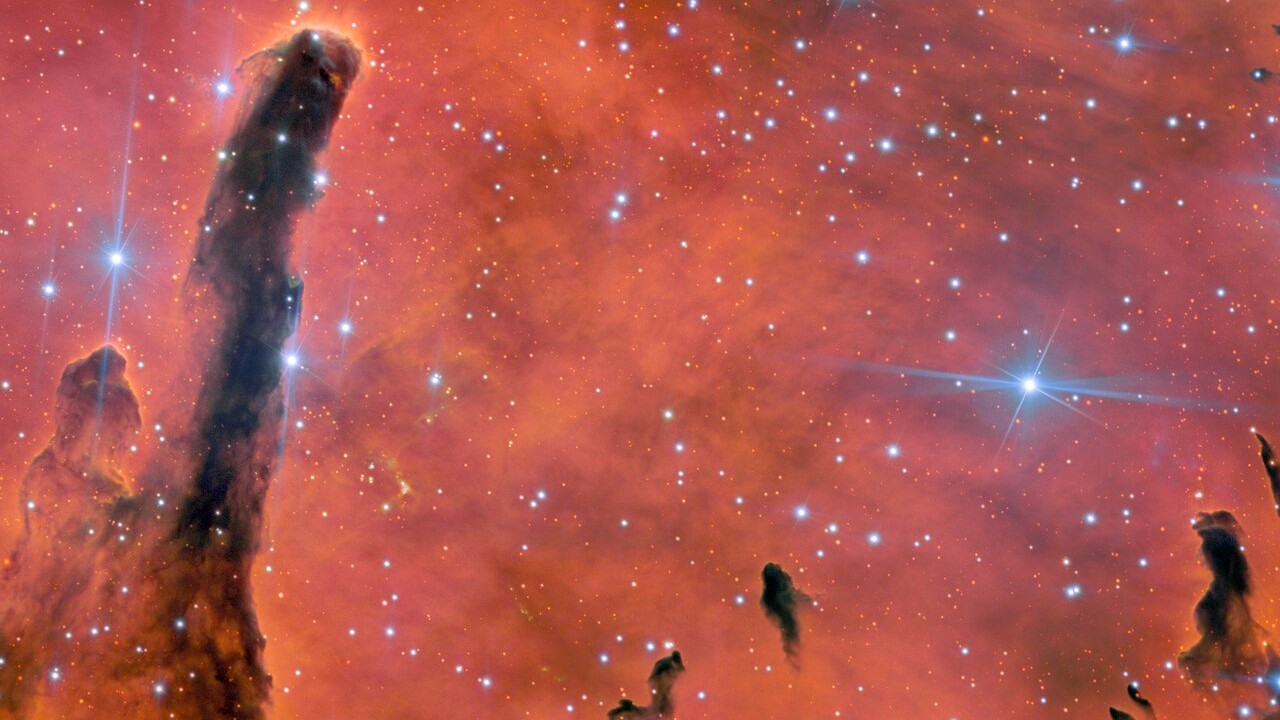 Ethereal structure in the sky rivals 'Pillars of Creation' — Space photo of the week
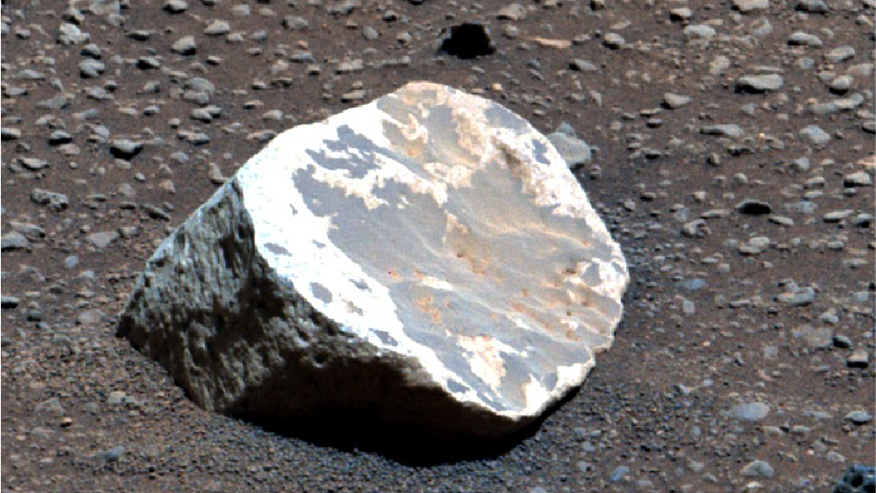 Strangely bleached rocks on Mars hint that the Red Planet was once a tropical oasis
LATEST ARTICLES
Strangely bleached rocks on Mars hint that the Red Planet was once a tropical oasis
LATEST ARTICLES- 1Glue strong enough to tow a car made from used cooking oil
- 2Historic search for 'huge missing piece' of the universe turns up negative — but reveals new secrets of particle physics
- 3Today's biggest science news: Japan earthquake tsunami | Kilauea lava fountains | Northern Lights forecast
- 4Ash Pendant: The only known depiction of a pregnant Viking woman
- 5The 'hobbits' may have died out when drought forced them to compete with modern humans, new research suggests